

Choosing the perfect awning for your home or business is more than just picking a design that looks good. A functional and well-constructed awning provides shade, protection, and aesthetic appeal. If you are searching for a reliable metal awning company near me, understanding the different types of awnings and their features can help you make an informed decision.
An awning is an investment, so it is important to consider durability, style, and maintenance before making a purchase. Whether you are looking to enhance your storefront or create a comfortable outdoor living space at home, this guide covers everything you need to know.
Types of Awnings
Awnings come in various materials and designs, each with unique advantages. Understanding these differences will help you choose the best option for your needs.
Fabric Awnings
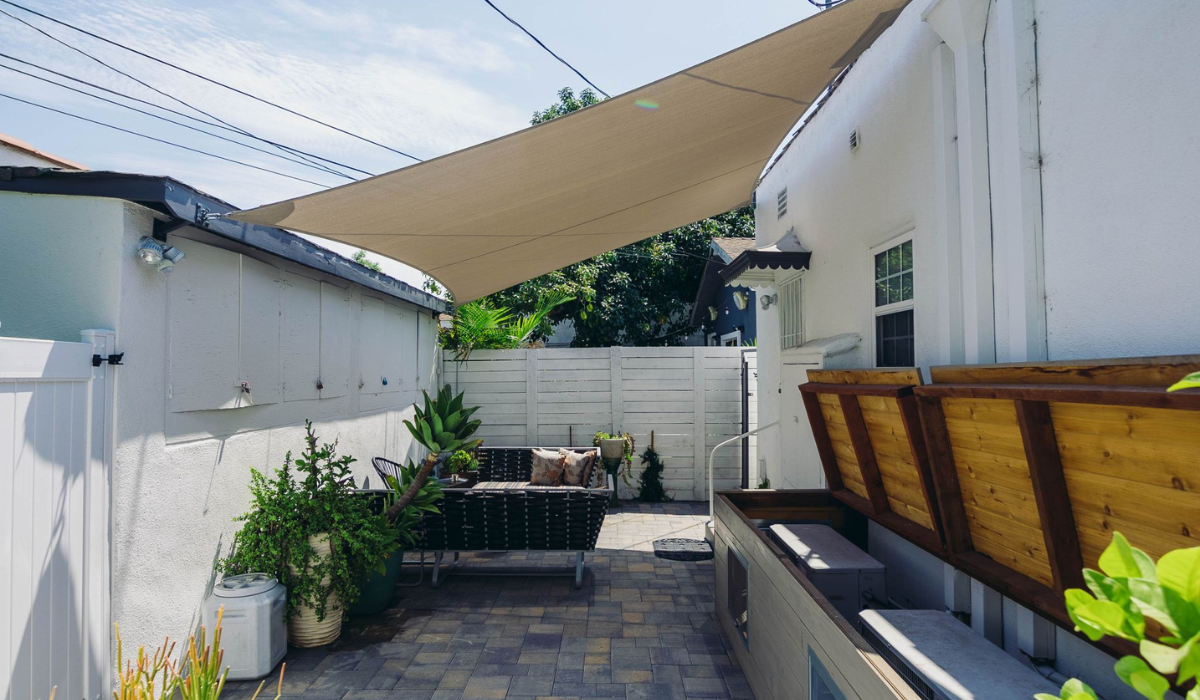
Fabric awnings are one of the most popular choices for homes and businesses. They are available in different colors, patterns, and textures. Fabric awnings are typically lightweight and can be retractable, allowing you to control the amount of sunlight entering your space.
The main benefits of fabric awnings include flexibility in design and ease of installation. However, they require regular maintenance to prevent mold, mildew, and fading over time.
Metal Awnings
Metal awnings, such as aluminum or steel, are ideal for those looking for long-term durability. They are resistant to harsh weather conditions and require minimal maintenance. Metal awnings provide a modern, industrial look and can be custom-made to fit specific spaces.
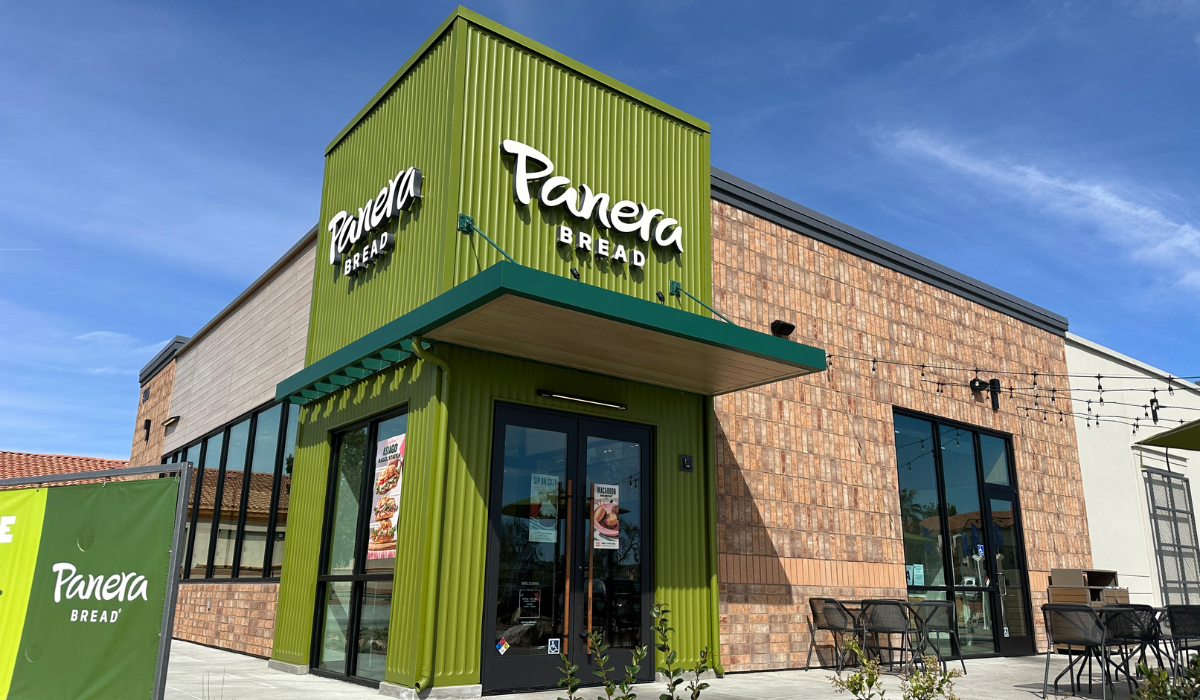
If you are searching for a metal awning company near me, consider a provider that offers high-quality materials and custom designs to meet your specifications. Metal awnings are suitable for commercial properties, patios, and areas that require strong protection from sun and rain.
Slide Wire Canopy
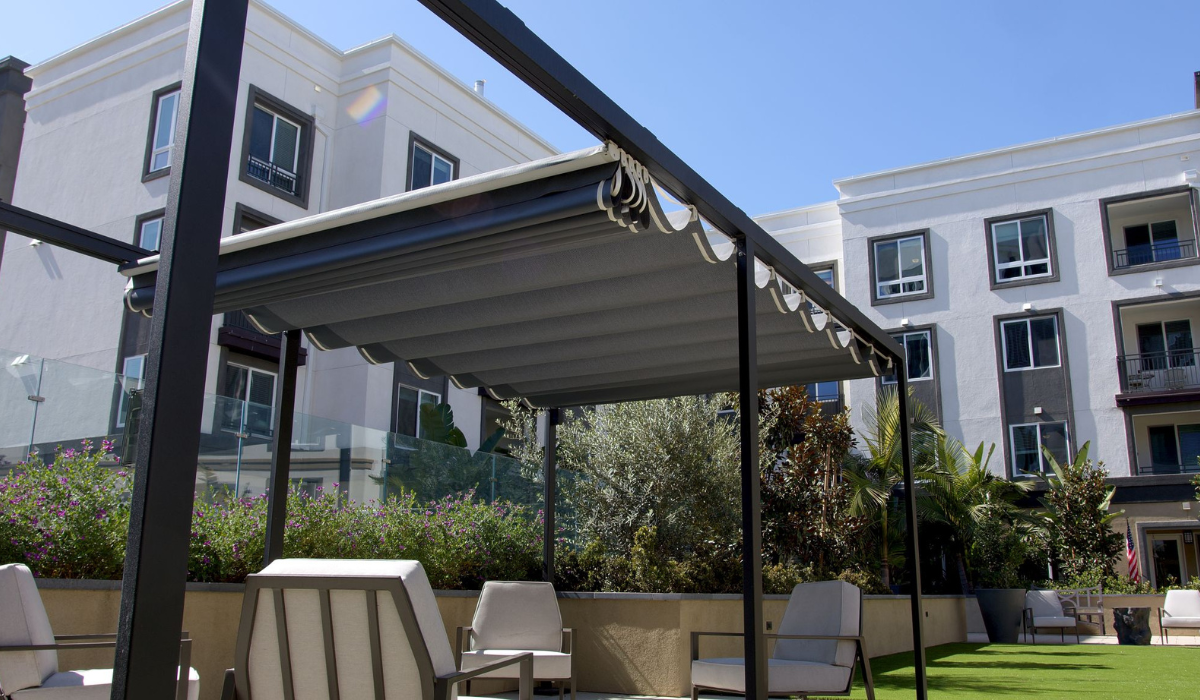
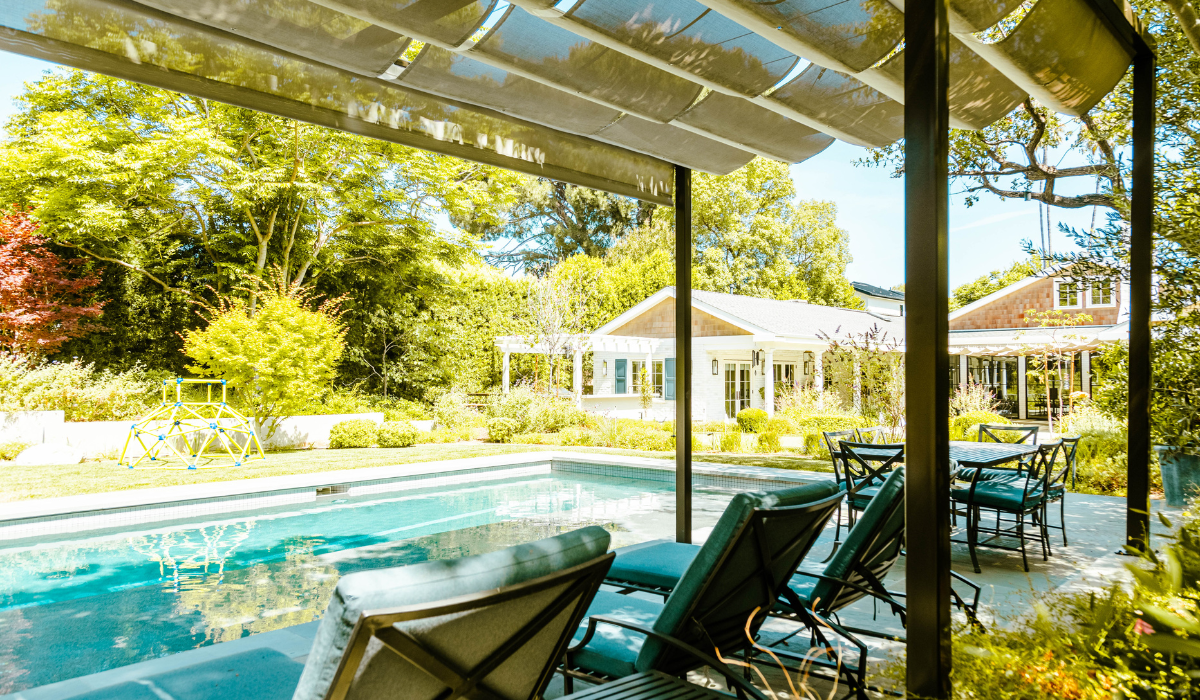
A slide wire canopy is a retractable option that uses a wire system to extend or retract the fabric with ease. This type of awning is perfect for patios, decks, and commercial entrances where flexibility is important. Slide wire canopies allow you to adjust coverage based on weather or sunlight, providing both convenience and style.
Fixed vs. Retractable Awnings
Choosing between fixed and retractable awnings depends on your specific needs.
Fixed Awnings
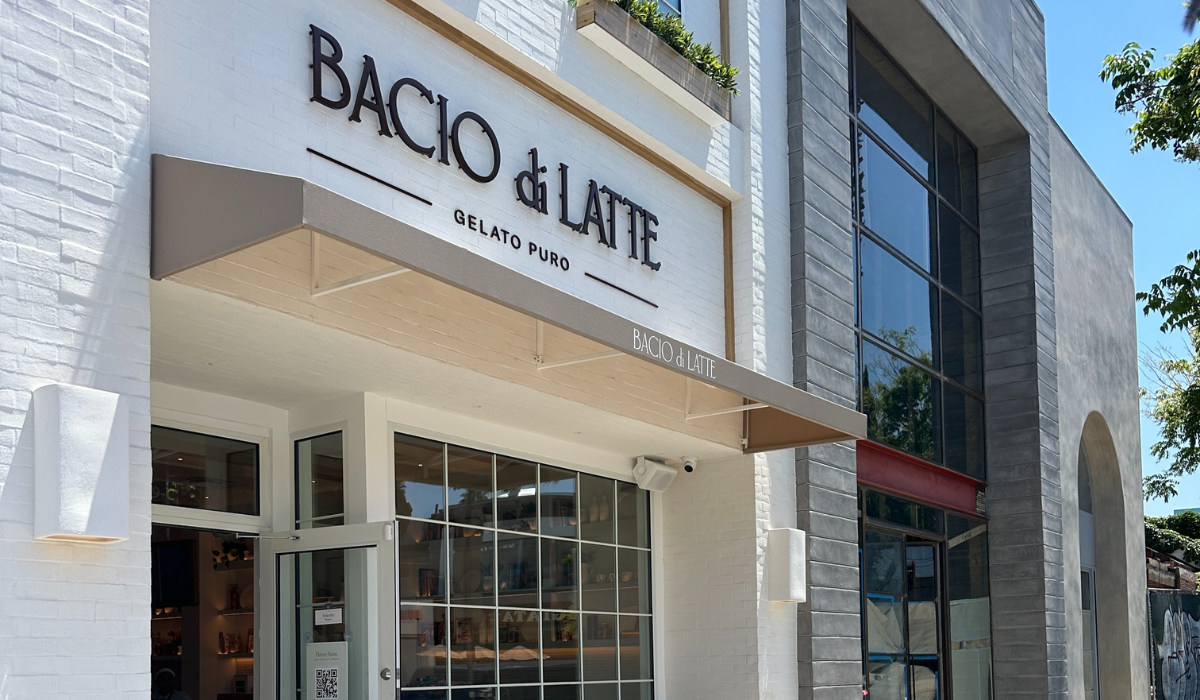
Fixed awnings are permanent structures attached to the side of a building. They are sturdy and require little maintenance once installed. Fixed awnings are ideal for areas where permanent shade or protection is required. They can be made from fabric, metal, or a combination of materials.
Retractable Awnings
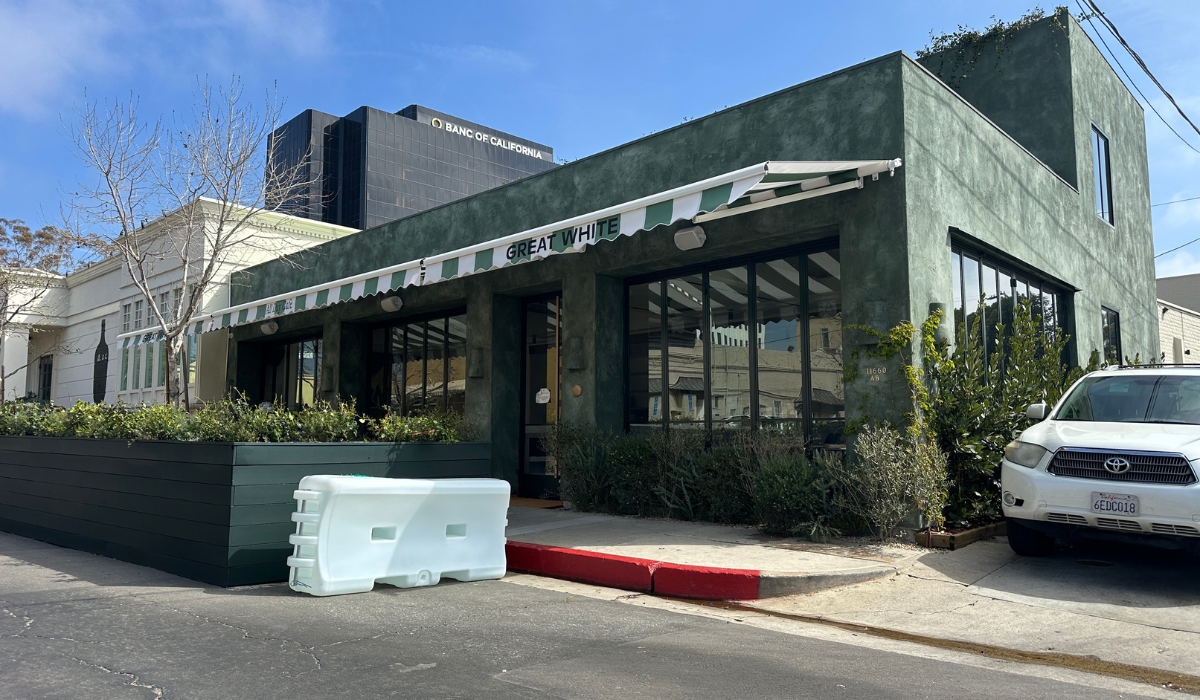
Retractable awnings offer flexibility by allowing you to extend or retract the awning as needed. They are available in manual or motorized options and are perfect for patios, windows, and commercial storefronts. Retractable awnings provide shade when needed and can be retracted during inclement weather to prevent damage.
Choosing the Right Material
The material of your awning plays a crucial role in its longevity, appearance, and functionality. Here’s a closer look at the most common materials:
- Fabric: Provides excellent shading and comes in numerous colors. Requires regular cleaning and may wear faster than metal.
- Metal: Highly durable, weather-resistant, and low-maintenance. Ideal for commercial use and long-term investments.
- Vinyl: Durable and waterproof, often used for commercial signage awnings. Vinyl can be customized with logos or branding.
- Polycarbonate: Lightweight, shatter-resistant, and offers UV protection. Great for modern residential applications.
When deciding on materials, consider the climate, intended use, and maintenance level you are comfortable with.
Consider the Style and Design
The style of your awning should complement your property’s architecture and personal taste. Some popular design options include:
- Traditional Sloped Awnings: Classic style that provides excellent water runoff.
- Flat Awnings: Sleek and modern design, ideal for commercial spaces.
- Domed or Rounded Awnings: Elegant look suitable for entrances and decorative areas.
- Pergola-style Awnings: Adds a luxurious feel to outdoor living spaces while providing adjustable shade.
Color and pattern selection is also crucial. Choose colors that match your exterior or corporate branding while considering heat reflection and fading over time.
Installation Considerations
Proper installation is key to maximizing the lifespan and performance of your awning.
- Professional Installation: Hiring a reputable installer ensures the awning is securely mounted and functions correctly.
- Structural Support: Ensure the mounting surface can support the weight of the awning, especially for metal structures.
- Local Regulations: Check for any building codes or permits required in your area.
Many reputable providers, such as a metal awning company near me, offer both sales and professional installation services, giving you peace of mind and long-term reliability.
Maintenance Tips
Maintaining your awning helps extend its life and appearance. Here are some practical tips:
- Fabric Awnings: Clean regularly with mild soap and water. Avoid harsh chemicals.
- Metal Awnings: Inspect periodically for rust or damage and touch up paint as needed.
- Retractable Systems: Lubricate moving parts and check the mechanism regularly for smooth operation.
- Slide Wire Canopy: Inspect cables and tension regularly to ensure smooth sliding operation.
Proper maintenance prevents costly repairs and ensures your awning continues to perform as intended.
Cost Considerations
Awning costs vary based on material, size, and design. Fabric awnings are generally more affordable, while metal and custom options tend to be pricier. Retractable and slide wire canopy systems may also increase the total cost due to additional mechanical components.
When budgeting, consider long-term value, maintenance costs, and energy savings from reduced sun exposure. Investing in a high-quality awning can increase property value and improve comfort for years to come.
Conclusion
Selecting the right awning for your home or business requires careful consideration of materials, style, functionality, and cost. By understanding the different types of awnings, their benefits, and proper maintenance, you can make an informed choice that enhances both comfort and curb appeal.
Whether you are looking for a durable metal awning company near me or a flexible slide wire canopy system, investing in the right awning ensures long-lasting satisfaction.
American Awning and Blind Company is a family owned business founded in 1910 in a small shop with just a few customers. Today, American Awning has grown and is thriving in Los Angeles with an incredible team of craftsmen and hundreds of 5 star reviews.
History & experience meet modern craftsmanship & customer service.
Under the thoughtful direction of President Ethan Halpern, American Awning’s deep history has been able to keep up with modern needs by adding waterproof retractable awning systems, shade sails, and metal canopies and the technology needed for projects of all sizes.
FAQs
What types of awnings are available for homes and businesses?
Awnings come in several types, including fabric, metal, vinyl, and polycarbonate. You can choose between fixed and retractable options, depending on your space, style preference, and functionality needs. Popular designs include traditional sloped, flat, domed, and pergola-style awnings.
What is a slide wire canopy, and how does it work?
A slide wire canopy uses a tensioned wire system to allow fabric or material to slide back and forth. This retractable design provides adjustable shade for patios, decks, and commercial entrances, making it flexible and convenient for changing weather conditions.
How do I choose the right material for my awning?
Consider factors such as durability, maintenance, aesthetics, and weather conditions. Fabric awnings offer design flexibility, while metal awnings are long-lasting and low-maintenance. Vinyl and polycarbonate provide additional durability and weather resistance.
Should I choose a fixed or retractable awning?
Fixed awnings are permanent structures that require minimal upkeep and are ideal for areas needing consistent shade. Retractable awnings provide flexibility, allowing you to adjust coverage according to sunlight and weather conditions. Your choice depends on how you plan to use the space.
How much does an awning cost?
Costs vary based on material, size, design, and type. Fabric awnings are typically more affordable, while metal and custom retractable systems, such as slide wire canopies, are higher in price. Consider long-term durability and maintenance costs when budgeting.
Can awnings increase energy efficiency?
Yes. Awnings provide shade and reduce direct sunlight entering windows, which can lower indoor temperatures and decrease cooling costs during summer months.
How long does it take to install an awning?
Installation time depends on the type and size of the awning. Fabric or small fixed awnings may take a few hours, while larger metal or retractable awnings, including slide wire canopy systems, can take a day or more. Hiring a professional ensures correct installation.
How do I maintain my awning?
Fabric awnings should be cleaned regularly with mild soap and water. Metal awnings require occasional inspection for rust and touch-up paint. Retractable systems should have moving parts lubricated and checked for smooth operation. Slide wire canopy cables should also be inspected periodically.
Can I customize my awning design?
Yes. Many providers, including a metal awning company near me, offer custom options for color, size, material, and branding. Custom awnings allow you to match your property’s aesthetic and functional needs.
Are awnings durable in harsh weather conditions?
Metal and vinyl awnings are highly durable and resistant to wind, rain, and sun. Fabric awnings may need extra care during storms or heavy snowfall. Retractable systems allow you to retract the awning to protect it from extreme weather conditions.